

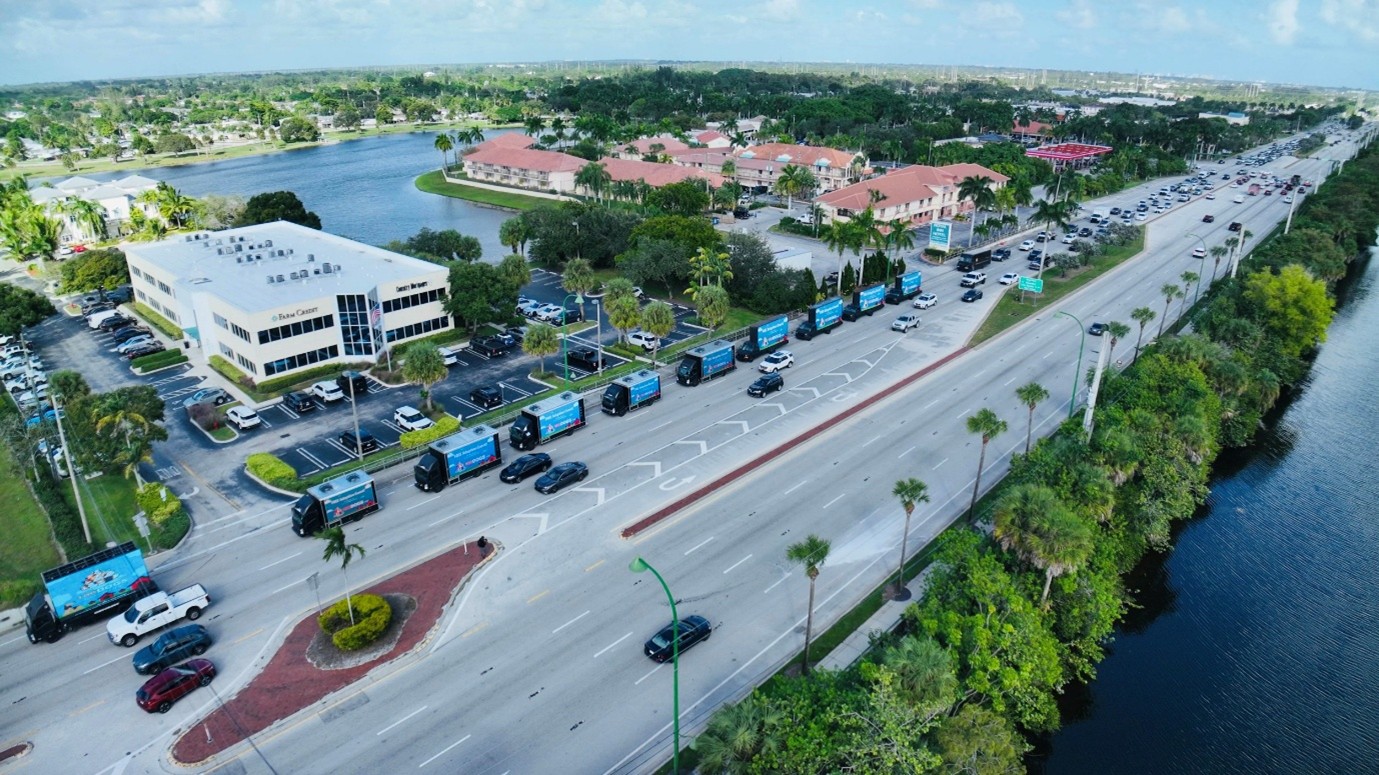
A fixed billboard can still do its job, obviously. It just stays where it is, and that becomes the limit pretty fast. mobile billboard advertising works in a different way because the message moves through traffic, shopping streets, event zones, and business areas during the same day. That adds more chances for people to notice it naturally. Brands that want local visibility often like that part first. The ad does not sit around waiting. It goes out and finds attention where daily movement already happens.
Local traffic patterns matter more than flashy design
A lot of businesses focus on the artwork first, which makes sense to some point. Still, route planning usually changes the outcome more than people expect. If a truck moves through the wrong streets at the wrong hours, the campaign weakens fast. Mobile billboard advertising works better when the route follows actual crowd flow and not random guesses. Morning office roads, afternoon retail zones, and evening entertainment areas all create different visibility conditions. Timing shapes exposure in a very real, very practical way.
Big cities need a more flexible outdoor format
Cities move fast, and people do not all stay in one section anymore. That is one reason mobile billboard atlanta campaigns can make sense for local promotion. Atlanta has busy roads, event traffic, retail clusters, and neighborhood variety that do not always fit one fixed outdoor placement. A mobile format can move closer to where people already gather. That helps brands appear in more relevant spaces during the same campaign window. It feels less stuck. And honestly, that matters more in crowded markets.
Campaigns can support events, stores, and local launches
This format is not only for one type of business. A restaurant opening, concert push, political outreach, product release, or seasonal promotion can all use it in different ways. Mobile billboard advertising is useful when visibility needs to happen in several places instead of one location alone. Some campaigns need repeated exposure near stadiums or shopping centers. Others need a broad city presence within a shorter timeline. The truck format supports both styles pretty well. That flexibility is part of why companies keep using it.
Atlanta routes need smarter targeting than people assume
Using mobile billboard atlanta plans without local route logic would be a waste, honestly. Atlanta traffic shifts by area, by event schedule, and by time of day more than some brands expect. A truck near downtown during one window may perform very differently from the same truck near Buckhead or Midtown later. That means local targeting should never be treated like an afterthought. Good campaigns usually depend on street familiarity, not only on budget size. The city itself changes how the ad gets seen.
Repetition helps because people rarely act after one glance
Most people do not respond the first time they notice an ad. They look, move on, and maybe remember part of it later. That is normal behavior. Mobile billboard atlanta campaigns benefit from repeat visibility because the truck can pass through key areas several times. That repeated presence can help people connect the name, message, and location more clearly. A clean design still matters, sure, but repetition builds memory in a more realistic way. One quick impression usually is not enough for most local campaigns.
Conclusion
Outdoor promotion still works when the format fits how people move through real city spaces. mobilebillboardglobal.com is one domain that sits naturally in this discussion around flexible street-level advertising and local campaign reach. Mobile billboard advertising gives businesses a way to move their message through active areas instead of depending on one fixed sign to do everything. For brands trolling mobile billboard atlanta options, smart route planning, timing, and community relevance matter just as much as the design itself. Make the campaign with regional intent, keep the message easy to remember, and move forward with a clear promotional strategy.
